
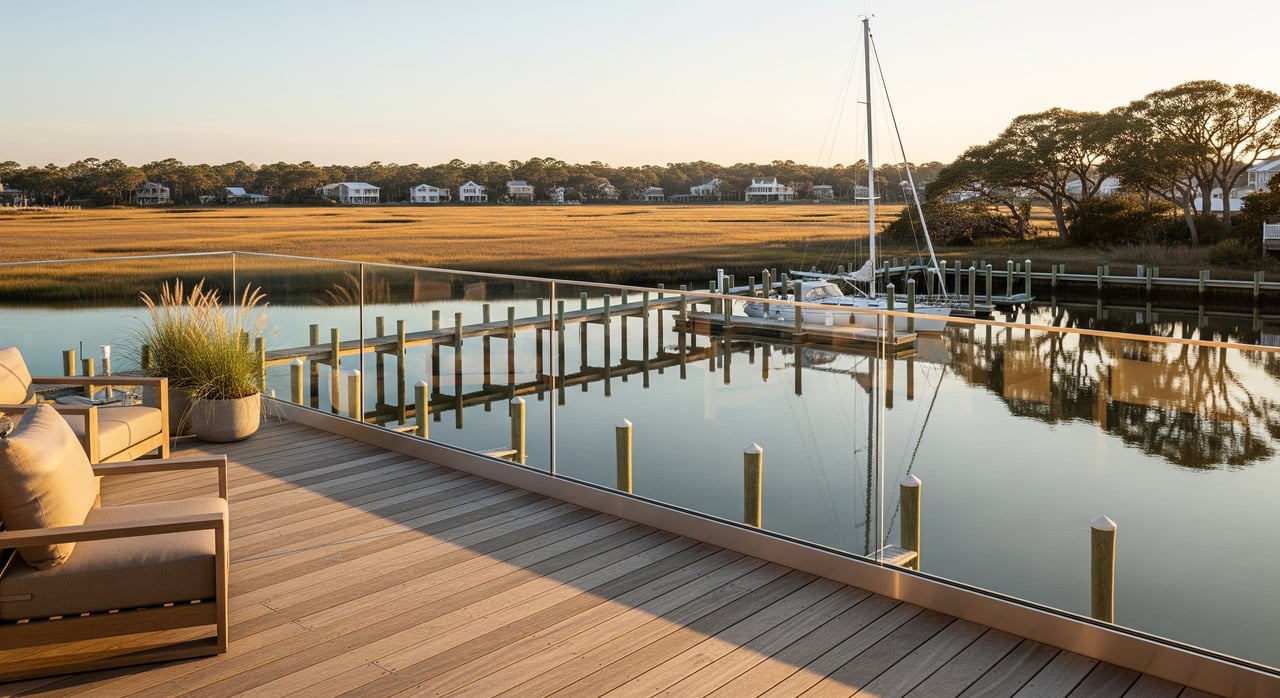
Dreaming of a home base where your boat is steps from your door and downtown Manteo is just across the bridge? If you love the Outer Banks lifestyle but prioritize calm water, marina services, and resort amenities over direct surf access, Pirate’s Cove could be a smart fit. In this guide, you’ll learn how to evaluate a condo here with confidence, from slip rights and HOA health to flood insurance, rentals, and financing. You’ll also get a clear step-by-step checklist you can use on any listing. Let’s dive in.
Why Pirate’s Cove stands out
Pirate’s Cove is a waterfront, resort-style community on Roanoke Island near Manteo with condominiums and marina access. It is best understood as a marina-centered development where protected water, deeded or assigned slips, and onsite amenities drive value. That mix is ideal if you want boating convenience and a secure harbor.
Compared with oceanfront condos in places like Nags Head, Kill Devil Hills, or Corolla, Pirate’s Cove trades surf and sand-at-your-door for protected sound access and marina services. This often means a different price and utility profile. You will weigh boating convenience, slip access, and amenity value against direct beach proximity.
Location is another plus. You are close to downtown Manteo, restaurants, and museums, with easier access to services than more remote Outer Banks areas. For investors, be aware that seasonal rental demand may differ from oceanfront properties, and returns can hinge on slip availability, HOA fees, and the timing of major marina or building projects like dredging or bulkhead repairs.
Know your unit and slip
Condo type and boundaries
Start by confirming exactly what you are buying.
- Verify whether the condo is fee simple, leasehold, or part of a condominium regime.
- Review the declaration and plat to confirm unit square footage and any limited common elements such as balconies, parking, or storage.
- Note any exclusive-use areas like patios or boat sheds.
Slip rights 101
Slip access is a major value driver. Clarify the type and the rights before you write an offer.
- Deeded slip: Owned and transferred with the unit.
- Leased slip: A long or short lease from the association or marina operator.
- Assigned or waitlist: Allocated by the association.
Ask the marina manager or association to confirm slip dimensions, depth at mean low water, and access to navigable channels. Learn who maintains docks, pilings, and dredging, and how large marine projects are funded. Unclear slip rights or unfunded dredging needs are red flags.
Building, systems, and coastal wear
What to inspect
Coastal exposure accelerates wear, so a thorough inspection is essential.
- Building envelope: roof, siding, balconies and deck connections.
- Mechanical systems: HVAC age, water heaters, plumbing lines, electrical panels.
- Common areas: pools, elevators, hallways, exterior paint and coatings.
Water intrusion and corrosion
Look for signs of water intrusion, active leaks, mildew, or corrosion on railings, fasteners, and exterior hardware. Marine environments can be tough on materials, so early detection helps you plan for maintenance and insurance.
Flood, wind, and insurance
Flood maps and elevation
Check FEMA Flood Insurance Rate Maps to identify the property’s flood zone and Base Flood Elevation. If the condo is in a Special Flood Hazard Area and you finance with a federally regulated lender, flood insurance will be required. Request an elevation certificate or order a survey with elevations to estimate premiums.
Your insurance package
Understand how coverage is divided between the association and owners.
- Master policy: Typically covers the exterior shell and common areas. Request a certificate and a summary of coverages and deductibles.
- Owner policy: You will likely need HO-6 coverage for interior finishes, personal property, liability, loss of rental income, and loss assessment coverage to address association deductibles.
- Flood insurance: Separate from property insurance. Confirm whether the association carries flood coverage for common areas and get an individual quote if needed.
- Wind and hurricane: Coastal properties can face higher premiums or limited carriers. Get quotes early to confirm affordability.
HOA health and documents
What to request
Ask for these documents as early as possible and review them carefully.
- Declaration, bylaws, articles of incorporation.
- Current budget and the most recent audited financials.
- Reserve study and the reserve balance.
- Meeting minutes for the last 12 to 24 months.
- Master insurance certificate, coverage summary, and claims history.
- Rules and regulations including rental, pet, parking, and slip allocation policies.
- Any pending or recent special assessment notices.
- Estoppel letter or HOA payoff statement for closing.
Dues, reserves, and assessments
Confirm the monthly dues and what they include. Typical line items may include master insurance, building envelope, elevators, pools, landscaping, trash, marina maintenance, and reserve contributions. Compare the reserve balance to the reserve study’s recommended levels. Frequent special assessments or low reserves signal higher risk.
Red flags to note
- Low reserve balances or no recent reserve study.
- Repeated special assessments or active litigation.
- Large master policy deductibles that could lead to loss assessments.
- Unclear slip rights or underfunded dredging and dock work.
- Evidence of water intrusion or deferred maintenance.
Financing and appraisal
Condo eligibility and loan options
Many lenders require the condo project to be eligible for conventional, FHA, or VA financing. Lenders may perform a project review, and some loans can be made without formal approval, though terms may be stricter. If you are buying as an investor, expect higher down payment requirements and potentially higher rates. Work with a lender experienced in coastal condos.
Resale considerations
Ask about owner-occupancy rates and turnover history. A higher owner-occupancy percentage can add stability. Remember that marina-focused communities attract a more specialized buyer pool. If a project is not eligible for common loan programs, the buyer pool can shrink, which may affect resale.
Rentals and operating economics
Rules and registration
If you plan short-term rentals, start with the HOA’s rental policy. Some associations allow flexible rentals, others set minimum stays or require onsite management. Also check Dare County and the Town of Manteo for any vacation rental registration, transient occupancy tax requirements, and safety or inspection rules. Align your plan with insurance underwriting and HOA policies to protect eligibility.
Estimating income and expenses
Build a conservative pro forma.
- Revenue: Collect comparable data on seasonal occupancy and nightly rates from sources like short-term rental platforms and local managers.
- Expenses: Include HOA dues, property management fees, utilities you cover during guest stays, cleaning, marketing, insurance, maintenance reserves, and local occupancy taxes.
- Capital: Plan for periodic building or marina projects that may lead to special assessments.
Coastal permits and compliance
Docks, bulkheads, and dredging
Marine structures often require local, state, and sometimes federal permits. Review the permit history for docks, lifts, bulkheads, seawalls, and dredging. Confirm who pays for maintenance and how large projects are funded. This helps you anticipate future costs.
Legal review and taxes
North Carolina has established condominium law. Engage an attorney experienced in NC condo transactions to review the declaration, bylaws, and recorded covenants. Ask the Dare County tax office about current tax rates, assessed values, and any special community utility fees that may affect your operating costs.
Step-by-step buying checklist
Pre-offer research
- Get pre-approval from a lender who understands coastal condos and request a condo eligibility review.
- Review the listing for slip status, unit type, HOA dues, and rental restrictions.
- Pull recent comps and days on market for Pirate’s Cove and similar marina condos.
Documents before you offer
- Declaration, bylaws, rules and regulations, budget, audited financials, and reserve study.
- Meeting minutes from the past 12 to 24 months.
- Master insurance certificate, coverage summary, and claims history.
- Estoppel letter or current fee statement.
- Slip deed, lease, or allocation policy if a slip is relevant.
- Disclosures on pending litigation and recent or upcoming capital projects.
Inspections and technical due diligence
- General home inspection with a professional familiar with coastal materials and moisture risks.
- Marine and exterior focus: balconies, railings, pilings, docks, walkways, seawalls, and bulkheads. Consider a marine contractor for slip and dock review.
- Elevation certificate or survey for flood rating and insurance.
- Wind mitigation inspection to explore premium credits.
- Insurance quotes for HO-6, flood, liability, and loss assessment coverage.
Title, appraisal, and closing
- Full title search, including deed restrictions and easements.
- Appraisal that considers project marketability and the condo questionnaire.
- Confirm transfer fees and registration charges payable to the association or marina.
After you go under contract
- Speak with a local property manager for rental projections and operating costs if you plan to rent.
- Confirm slip access and operational rules with the marina manager.
- Coordinate with a local insurance agent experienced in coastal properties.
- Work with a real estate attorney or closing company familiar with Dare County condo transactions.
Is Pirate’s Cove right for you?
You are likely a strong match if you value a protected harbor, quick access to your boat, and resort amenities over direct oceanfront. Second-home buyers and retirees appreciate the convenience and community setting. Investors should focus on HOA health, slip status, seasonal demand, and true operating costs. With the right preparation, Pirate’s Cove offers a lifestyle and ownership profile that can balance enjoyment and long-term value.
When you are ready to explore available condos or want a clear, numbers-first plan for owning or investing here, connect with a local team that knows the marina, the HOA dynamics, and the rental landscape inside and out. Partner with Elizabeth Cloninger to map your next steps with confidence.
FAQs
Are boat slips typically included with Pirate’s Cove condos?
- It depends. Slips can be deeded, leased, sold separately, or assigned by the association. Always verify the slip type and rights in the deed and HOA documents.
Do I need flood insurance for a condo in Manteo’s Pirate’s Cove?
- If the property is in a FEMA Special Flood Hazard Area and you have a mortgage with a federally regulated lender, yes. Many owners carry flood coverage even outside SFHAs.
Can I use a Pirate’s Cove condo for short-term rentals?
- Possibly. Check HOA rules for rental limits and the Town and County for any registration, transient occupancy taxes, and safety requirements before you market rentals.
What hidden costs should I plan for with marina condos?
- Potential special assessments for docks, dredging, or bulkhead work, higher wind and flood insurance premiums, and utilities during vacancies are common budget items.
Is financing different for waterfront condos like Pirate’s Cove?
- Often. Many lenders require condo project eligibility and may set stricter terms for investments or coastal properties. Use a lender experienced with condos on the OBX.