Love the idea of parking the car and strolling to coffee, sunset views, and live music on the water? If you are considering a home in Duck, you are likely picturing the soundside boardwalk, the Town Park, and a walkable village routine. This guide shows you what life near the boardwalk really feels like, how it compares to quieter residential pockets, and the practical checks to make before you buy. Let’s dive in.
Village core at a glance
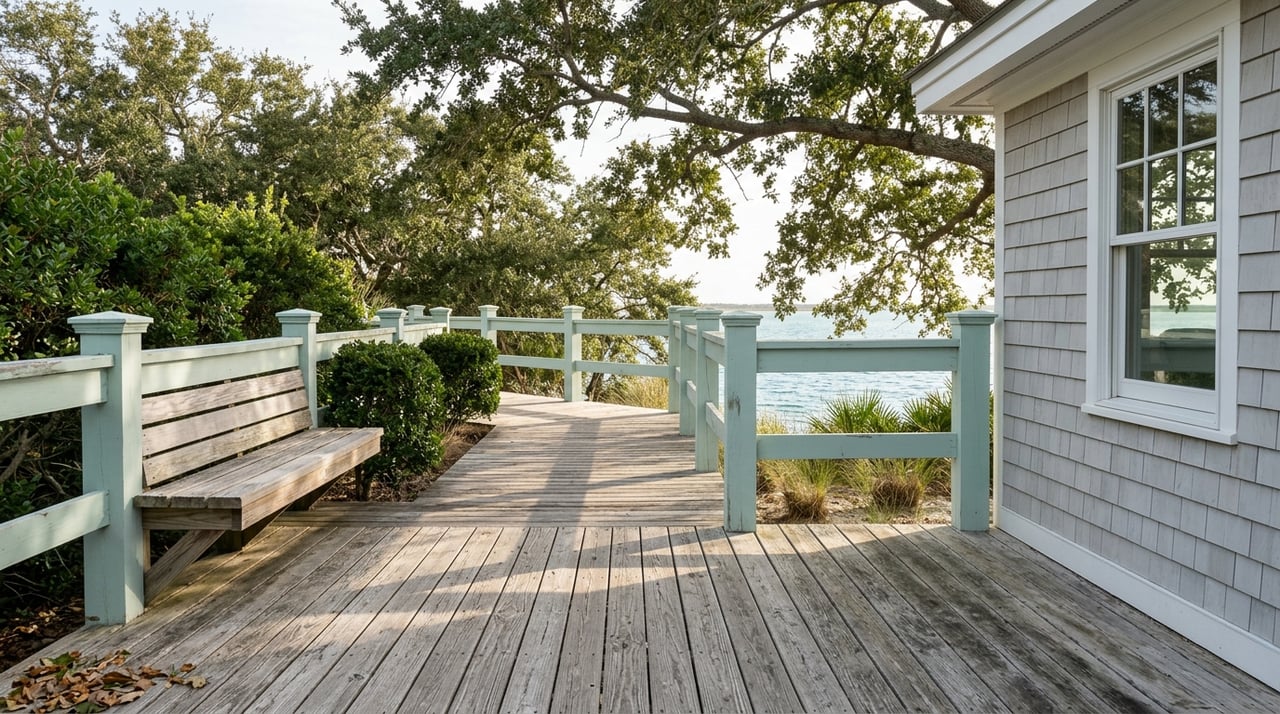
The boardwalk and Town Park are Duck’s walkable heart. The town reports 3,386 feet of boardwalk, or 4,149 feet including piers, running along Currituck Sound and linking shops, restaurants, and the Town Green. It is open from dawn to 1:00 a.m., while the park itself is open dawn to dusk, with an amphitheater, playground, picnic shelter, public kayak and canoe launch, and two short‑term boat piers. You can review hours, amenities, and rules on the town’s official page for the Town Park and boardwalk.
Daily life here is shaped by simple rules that keep the space relaxed. Bicycles must be walked on the boardwalk and left at racks, and skateboards and motorized vehicles are not permitted. Pets are welcome on a leash. The boardwalk is intended for passive recreation, so there is no commercial vending along the planks.
Walkability and daily life
If you want a car‑light lifestyle, proximity to the boardwalk plus access to the Duck Trail are the two big wins. The trail is a paved multi‑use path that runs the length of town and ties neighborhoods to the village core, making walk and bike trips realistic. You can learn more about the route on the Duck Trail overview.
Distances and times
The boardwalk is roughly 0.64 mile end to end, which is about a 12 to 15 minute walk one way at a relaxed pace. Many everyday trips combine the boardwalk with the Duck Trail, which keeps you off NC‑12 for most short errands. If you live within a 5 to 15 minute walk of the Town Park, you will feel the boardwalk lifestyle most days.
What you can walk to
Within a short stroll of the Town Green you will find a compact mix of boutiques, coffee spots, a small market, and multiple waterfront or near‑water restaurants. The soundfront Waterfront Shops and the nearby Scarborough Lane clusters host many of these businesses. Browse a current snapshot of local options on the shopping in Duck guide.
Water access facts
Living near the boardwalk puts the sound at your feet. You can catch sunsets from benches, drop a kayak or paddleboard at the Town Park launch, and enjoy events at the amphitheater. Fishing and crabbing are popular from designated platforms, and short‑term boat slips let friends stop by for a visit.
Ocean access reality check
The most important caveat for buyers is ocean access. The Town of Duck does not own or maintain any public ocean beach access inside town limits, and there is no public beach parking in Duck. Beach access is provided by private property owners and HOAs for their residents, renters, and guests. Review the town’s official beach policies and seasonal lifeguard information on Duck’s beach page, and confirm deeded access for any property you are considering.
Seasonality and events
Duck programs a lively calendar from spring through fall that brings the village core to life. Summer staples include Concert on the Green, Movies on the Green, yoga on the Green, and children’s programs at the amphitheater. You can see the current lineup on the town’s summer events page.
Each October, the town hosts the free Duck Jazz Festival at the park. These public events add energy near the boardwalk, especially on weekends and evenings in peak season.
Boardwalk‑adjacent vs tucked‑away
Who loves village‑core homes
If you want to walk to dinner, catch a show on the Green, and watch sunset from the water most days, boardwalk‑adjacent homes deliver. Expect more foot traffic and activity in season, with busier restaurants and increased parking demand near the park. In exchange, you gain a social, park‑the‑car lifestyle anchored by the boardwalk and the Duck Trail.
Who loves quieter pockets
If your priority is privacy and calm, look at neighborhoods set back from the village core. Homes outside the immediate boardwalk radius are typically quieter, especially outside summer. You will likely drive for groceries, dining, and events, though the Duck Trail can still make bike trips realistic.
What daily life feels like
Morning often starts with coffee and a loop along the boardwalk or trail. Midday can be errands on foot or a quick paddle launch from the Town Park. Evenings in season often include music or a movie on the Green, then a slow walk for sunset on the sound. In the off‑season, the village softens, and you will enjoy wide boardwalk views in a quieter setting.
Buyer checklist for Duck homes
Use this quick checklist to confirm fit and avoid surprises:
- Deeded beach access. Ask if the property or HOA provides ocean access or parking. Remember there is no public beach access or public beach parking in Duck. See the town’s beach policies.
- Walking distance. Measure actual minutes from the property to the Town Park, the nearest market, and your go‑to restaurant. The Town Park and boardwalk anchor most walks.
- Boardwalk and trail rules. Plan for walking your bike on the boardwalk and using the Duck Trail for riding. Review the posted rules and hours on the town site.
- Parking and event days. Ask where you will park for village trips and how busy days affect access. Town Park lots can fill during major events.
- Insurance and coastal risk. Consult insurance pros about wind, storm, and flood coverage, and review FEMA maps and elevation for each property.
- Short‑term rentals. If you plan to rent, confirm HOA covenants, town registration requirements, and management logistics before assuming income.
Market context at a glance
Duck functions as a small, seasonal resort town with a year‑round population around 742 per the 2020 census. You can see the basic context on the Duck, North Carolina overview. Typical home values in early 2026 were in the high six to low seven figures, with a Zillow ZHVI snapshot around 970,000 to 980,000 dollars as of January 2026. Inventory and pricing move with seasonality, so ask for a current, property‑specific market analysis when you are ready to tour.
How to choose your fit
Start by mapping your daily rhythm. If you want to walk to everything and catch frequent events, stay close to the Town Park and boardwalk. If you want more privacy, focus on neighborhoods set back from the village core and plan to use the Duck Trail for bikes or quick car trips.
Next, confirm your water life. If the sound is your happy place, the boardwalk and Town Park offer everyday access. If daily ocean time is essential, verify deeded beach access and parking with the seller or HOA.
Finally, align rules and risk with your plans. Understand boardwalk and trail rules, how parking works during busy weeks, and what your insurance and rental options look like. A clear fit on lifestyle plus logistics makes for a confident purchase.
Ready to see how different Duck pockets feel on the ground? Partner with a local team that knows the boardwalk, trails, and neighborhoods block by block. Reach out to Elizabeth Cloninger to plan a focused tour and get a current, property‑specific market read.
FAQs
Can you live car‑light near Duck’s boardwalk?
- Yes, if you buy in or near the Village Commercial District. The boardwalk and the Duck Trail make short trips for coffee, dining, and errands realistic most days.
Is the boardwalk open late at night?
- The boardwalk is open from dawn until 1:00 a.m., while the adjacent Town Park is dawn to dusk. Check posted signs for any updates before your evening stroll.
Can you walk from the boardwalk to the ocean beach?
- Not directly. The boardwalk is soundside, and ocean access in Duck is private through property owners and HOAs, with no public beach parking in town. Confirm deeded access for any property.
Are bikes allowed on the boardwalk in Duck?
- You can bring a bike, but you must walk it on the boardwalk. Ride on the Duck Trail and use the bike racks near the park and shops.
When is Duck the busiest near the boardwalk?
- Late spring through summer, especially during free concerts, movies, and festival weekends. Off‑season is much quieter with fewer events and lighter foot traffic.