
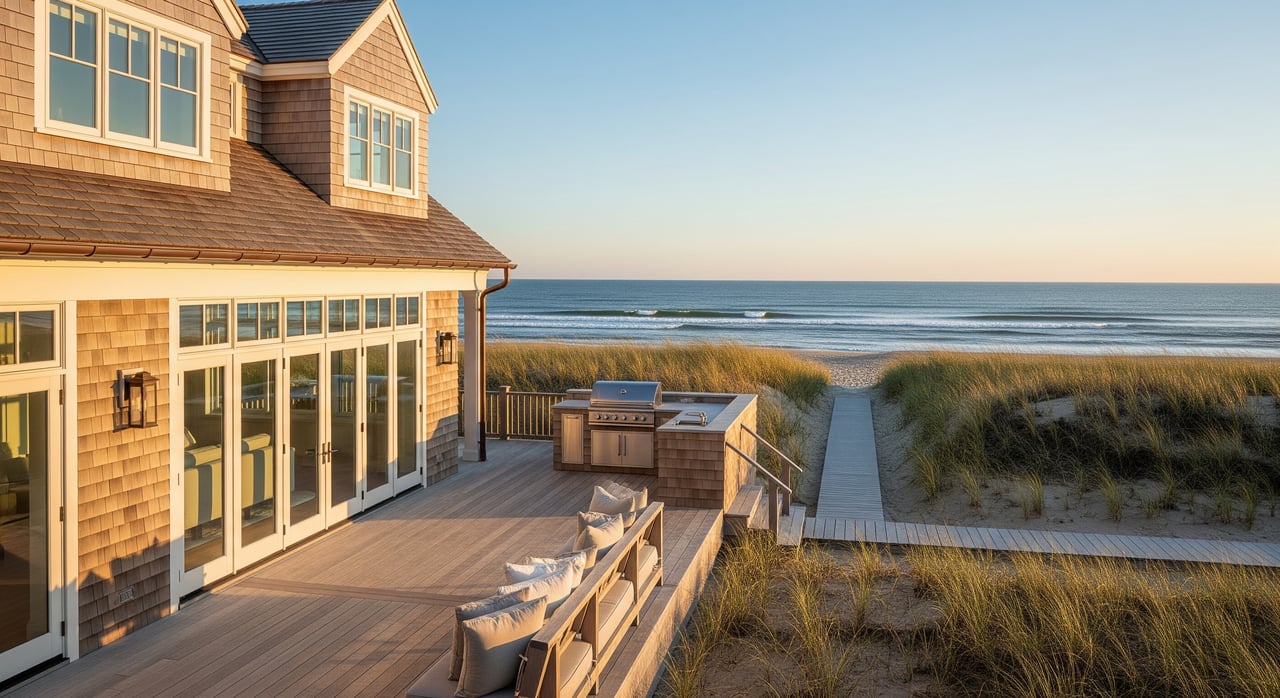
Thinking about selling your Nags Head oceanfront home but not sure where to start? You are not alone. Oceanfront sales carry unique opportunities and extra moving parts, from flood insurance to seasonality. In this guide, you will learn how a bespoke plan helps you price with confidence, prepare the right documents, present your home at its best, and reach the most motivated coastal buyers. Let’s dive in.
Why a bespoke plan matters
A one-size-fits-all listing plan will not capture the value of a true oceanfront lot. Your property’s elevation, dune condition, beach access, structural features, and rental history can shift buyer demand and pricing. A bespoke plan aligns these details with current market dynamics and the buyers most likely to act.
A tailored approach also anticipates coastal-specific hurdles. You will be ready with the right inspections, disclosures, and lender-friendly data that cut days off the process and protect your negotiating power.
Know your buyer pool
Oceanfront buyers in Nags Head span several profiles. Each one looks for different information, so your plan should speak to all of them.
- Vacation-rental investors who focus on occupancy, gross and net income, and booking calendars.
- Second-home buyers who may also want seasonal rental income.
- Retirees or primary-home buyers who prioritize livability and maintenance history.
- Out-of-area buyers who purchase remotely and rely on top-tier visuals and clear documentation.
Your marketing should highlight what each group needs, while keeping the story of your home consistent and truthful.
Price for oceanfront value
Oceanfront homes carry a premium over non-oceanfront, yet the premium is not uniform. A strong pricing strategy considers:
- Lot position, elevation, dune strength and beach access.
- Uninterrupted views and indoor–outdoor flow.
- Recent repairs or storm-hardening features.
- Flood and wind insurance costs relative to elevation and flood zone.
- Rental performance and seasonality for investor-minded buyers.
Use the narrowest set of comparable oceanfront sales that match your lot type, structure, and permitted living area. Prepare for appraisal by assembling a comp packet and rental documentation that supports your price.
Coastal rules and insurance, made clear
Transparency builds trust. Your buyer will expect a clean, organized packet that addresses coastal due diligence elements up front.
- Flood zones and insurance. Many oceanfront parcels fall within FEMA VE or AE zones, where lenders usually require flood insurance. Provide a recent elevation certificate, flood policy declarations, and any claims history.
- CAMA and town rules. Coastal construction and dune protection are governed by North Carolina’s Division of Coastal Management and local ordinances. Disclose any relevant permits, setbacks, or dune modifications.
- Beach nourishment and access. Note any public beach access easements, walkway easements, or recent nourishment work that affects shoreline width or access.
- Septic or sewer. Confirm septic permits and inspection history or provide municipal sewer documentation.
- Short-term rental compliance. If the home is rented, include occupancy tax records, rental agreements, and any local registration details that apply.
Providing these items early reduces contingencies and helps buyers and lenders underwrite with confidence.
Pre-list inspections and smart fixes
Pre-list inspections limit surprises and put you in control of negotiations. Focus on coastal-priority items.
- General home inspection plus a structural review of pilings, supports, decks, railings, and tie-downs.
- Roof inspection and certification, with documentation of any wind-damage repairs.
- Elevation certificate from a licensed surveyor or engineer if you do not already have a recent one.
- Septic inspection if applicable, plus recent pump records.
- Pest inspection for termites and wood-destroying organisms.
Targeted repairs often deliver outsized returns:
- Address water intrusion, decking or railing wear, and corrosion on metal components.
- Refresh exterior finishes that take a beating from salt spray.
- Service HVAC, electrical, and plumbing, and ensure required elevations or protections are in place.
- Maintain beach-access stairs or boardwalks and stabilize dune fencing where permitted.
Present the lifestyle, not clutter
Staging oceanfront is about light, flow, and views. Keep it inviting and durable.
- Use simple, coastal-appropriate furnishings that frame the view.
- Remove heavy window treatments that block natural light.
- Highlight indoor–outdoor transitions and outdoor seating areas.
- If you plan to sell furnished, prepare an inventory list.
Showings should be scheduled in daylight to showcase the shoreline. Plan around tides and weather, and have a backup showing window for stormy days.
Create exceptional visuals and data
Remote buyers and investors will often start and decide online. Invest in assets that answer questions and inspire action.
- Professional photography timed for golden light and clear water.
- Aerial drone images that show lot position, dune depth, and neighborhood context.
- Video walkthrough or 360 tour for buyers who cannot attend in person.
- Measured floor plans and a site plan overlay to show setbacks and dune footprint.
- A clean data sheet that summarizes elevation, flood insurance info, rental income, recent permits, and contact info for coastal-experienced lenders.
These materials should live on the MLS, portals, and in a downloadable package that agents and buyers can share.
Targeted outreach that works
A bespoke marketing plan meets buyers where they already are and brings them to your door.
- MLS with oceanfront-specific keywords and complete disclosures.
- Social advertising directed to markets that commonly buy OBX second homes and investments.
- Outreach to vacation-rental investor networks and regional broker partners.
- Email campaigns to an in-market broker and past-buyer database.
- Broker open houses and staged showings scheduled for optimal light and safe conditions.
If your home is an active short-term rental, coordinate listing dates with booking calendars and removal dates to protect both income and showings.
Navigate appraisals and financing
Oceanfront comps can be limited, and VE-zone underwriting can be stricter. Prepare early to keep your deal moving.
- Appraisal. Share your comp packet, elevation data, rental revenue and any recent capital improvements to help appraisers understand oceanfront premiums.
- Financing. Encourage buyers to work with lenders experienced in coastal loans. Be ready for larger down payments or reserve requirements in certain flood zones.
- Contingencies. Reduce leverage for post-offer renegotiation by providing pre-list inspection reports and insurer contacts upfront.
Time your launch with the OBX cycle
Seasonality matters on the Outer Banks. The right timing and presentation keep your listing top of mind.
- Spring and summer bring the largest buyer pool and highest showing activity.
- Fall and winter can deliver motivated, qualified buyers who move quickly.
- If your home is rented, balance cash flow and access by planning a photo day and a limited showing window between turnovers.
Closing timelines should account for coastal documentation like elevation certificates, insurance policies, and permit checks.
Your bespoke plan in 10 steps
Use this checklist with your agent to build momentum from day one.
- Pull recent oceanfront comparables and set a pricing range tied to lot position, elevation, and rental income.
- Order or locate a current elevation certificate and flood policy declarations.
- Compile permits, storm-repair records, and renovation invoices.
- Gather rental schedules, income statements, occupancy tax records, and booking histories if applicable.
- Complete a general home inspection, structural review, roof check, septic inspection, and pest inspection.
- Address priority repairs and refresh high-wear exterior surfaces.
- Produce professional photos, aerials, video, floor plans, and a site plan overlay.
- Build a concise buyer packet with elevation, insurance, rental summaries, survey, and permits.
- Launch on MLS with full disclosures and oceanfront-specific keywords, and push targeted digital campaigns.
- Prepare for appraisal with a documentation binder and lender introductions suited to coastal underwriting.
Why list with a boutique OBX team
Selling oceanfront is equal parts lifestyle and logistics. You deserve a team that pairs hands-on marketing with coastal transaction skills. The Gamiel Team is an owner-led, boutique group based at Pirate’s Cove Realty with deep knowledge across the central Outer Banks corridor. You get bespoke listing strategy, professional presentation, investor fluency, and responsive coverage from specialists who know Nags Head and nearby micro-markets.
If you want a confident sale with fewer surprises, the right plan and the right team make all the difference.
Ready to build your bespoke oceanfront listing plan? Reach out to Elizabeth Cloninger to get started.
FAQs
What documents do Nags Head oceanfront buyers expect?
- Prepare a recent elevation certificate, flood insurance declarations, claims history, survey or plat, permits and repair invoices, rental income records, septic or sewer documentation, and required seller disclosures.
How do flood zones affect price and financing on the OBX?
- Properties in FEMA VE or AE zones often require flood insurance, and some lenders use stricter underwriting, so buyers evaluate elevation, premiums, and claims alongside condition and rental income when sizing offers.
Should I wait for peak season to list my oceanfront home?
- Spring and summer bring more showings, but serious investors and relocating buyers shop year-round, so strong visuals and a complete digital packet can make an off-season launch successful.
How is rental income used when valuing an oceanfront property?
- Documented rental performance can support higher valuations for investor buyers, so include multi-year gross and net income, occupancy rates, and booking histories in your buyer packet.
Do I need an elevation certificate before listing in Nags Head?
- It is highly recommended, since lenders and insurers use it to price flood insurance and many buyers make it a contingency, so ordering one upfront can speed negotiations.
Which pre-list inspections reduce renegotiation risk most?
- A general home inspection plus structural review of pilings and decks, roof and septic inspections, and a pest inspection typically address the highest-risk coastal items.
How do beach nourishment or public access easements impact a sale?
- Note any nourishment projects that affect shoreline width and disclose public or private access easements, since buyers evaluate access, dune health, and long-term shoreline context when making offers.