If you picture a beach town where you can park once, leave the car behind, and stroll to coffee, dinner, sunsets, and the water, Duck stands out. That appeal is real, but it also helps to know why Duck feels more walkable than many coastal communities and which parts of town make that lifestyle easiest. If you are thinking about buying in Duck, understanding its layout can help you choose a property that fits how you want to live. Let’s dive in.
Duck’s walkability starts with its layout
Duck describes itself as a Pedestrian First community, and that mindset shows up in how the village core works. Rather than spreading shops, gathering spaces, and walking routes across a wide grid, Duck has a more compact, linear setup centered around Duck Road, the village area, and the soundside public spaces.
That shape matters in everyday life. Most of the easy foot traffic happens in a few connected places, especially the Village Commercial District, the Duck Trail, and the boardwalk corridor. If you stay or live close to those areas, it is much easier to walk to daily destinations.
The village core creates a true coastal village feel
Duck Village is often described by the town as the heart of Duck. It brings together independent businesses, the Town Park, and the boardwalk in one concentrated area, which helps the community feel more like a village than a strip of beach development.
The town also supports that slower pace with practical design choices. In the village area, the speed limit is posted at 25 mph, and the town reminds drivers that pedestrians have the right-of-way. For you, that can translate into a more comfortable walking experience when moving between shops, restaurants, and public spaces.
The Duck Trail is the town’s main walking spine
One of the biggest reasons Duck feels easy to navigate without a car is the Duck Trail. The town says this multi-use path runs about six miles through Duck, mostly along the east side of Duck Road.
Through the commercial village, the trail continues on both sides of Duck Road as a wide shoulder. The town also notes that sidewalks and designated bike lanes were added on both sides of Duck Road through the village commercial area. That gives you a more connected route for walking or biking through the busiest part of town.
The boardwalk adds a second route
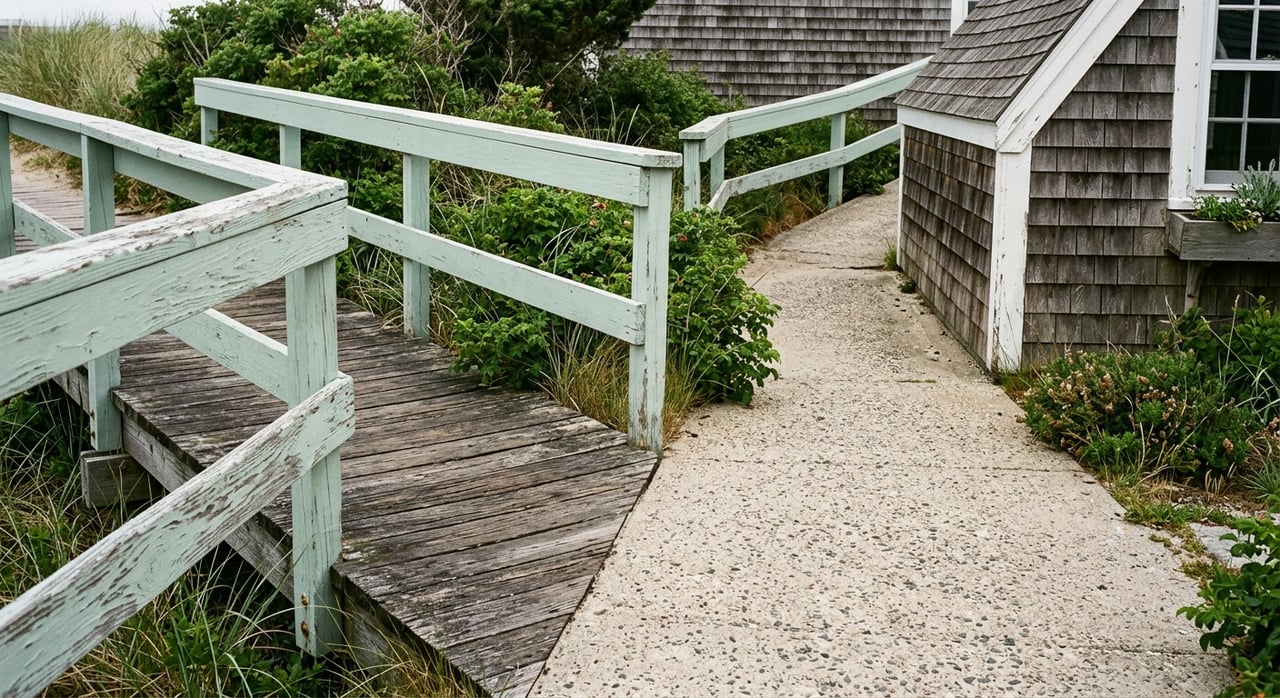
The soundside boardwalk is one of Duck’s signature features, and it does more than provide a scenic stroll. The town says it stretches nearly a mile along the Currituck Sound and connects to the Village Commercial District through access points in the village.
That means the boardwalk is not just for sightseeing. It is part of how people move through Duck on foot, with access to retail spots, eateries, and soundside views along the way. If you want a town where walking feels pleasant instead of purely practical, this is a big part of the answer.
Town Park strengthens the walkable lifestyle
Duck Town Park adds another major piece to the village experience. The town says the park covers 11 acres and includes trails through natural areas, open green space, soundside views, a kayak and canoe launch, an amphitheater, a picnic shelter, and a playground.
In practical terms, that gives you more than a path from one business to another. It creates a public gathering space where you can walk for enjoyment, spend time outdoors, and connect daily errands with recreation. That is a key reason Duck often feels more connected than car-oriented beach communities.
Can you walk to shops and restaurants in Duck?
In many parts of Duck, yes, especially near the village core. The town specifically ties the boardwalk to walking access for retail establishments and eateries, and the village area is where that convenience is strongest.
If your goal is to grab coffee in the morning, head out for dinner, or enjoy an evening walk without getting in the car, proximity to the Village Commercial District, boardwalk access points, and the Duck Trail matters. The farther you move from that core, the more likely you are to rely on driving for some trips.
Beach access works differently in Duck
Duck’s walkability also feels different because beach access is not built around public parking lots. The town states that it does not own or maintain public beach access locations, and access is limited to Duck residents, Duck renters, and their guests through privately owned and maintained locations.
The town also says there are no public parking areas at beach accesses. So if you are wondering whether you can walk to the beach in Duck, the answer is yes, but usually through a neighborhood or community access point rather than a public municipal beach access with parking.
Dune walkovers shape the beach experience
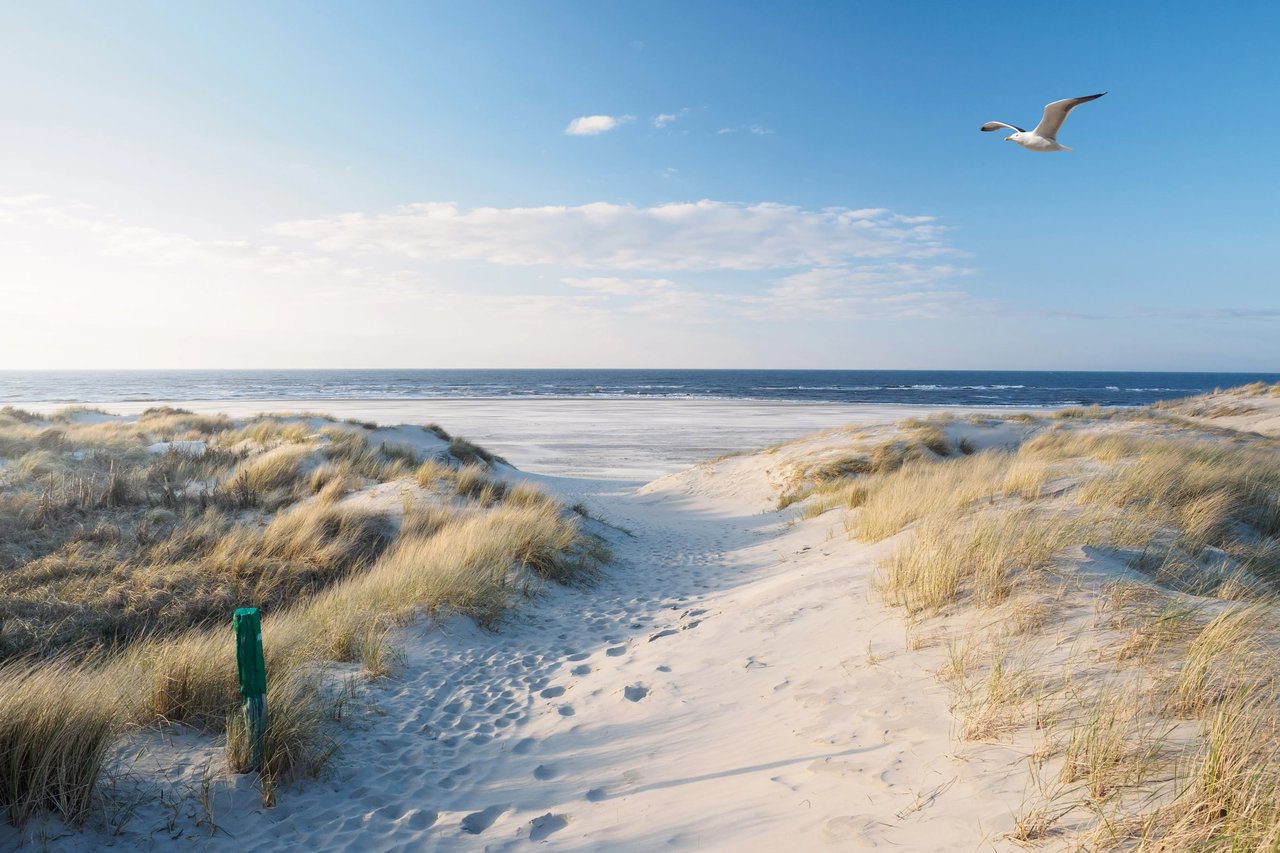
For ocean access, the town directs people to designated dune crossovers. These walkovers help protect the dunes, which the town identifies as the first line of defense against wave action.
That approach changes how Duck feels. Instead of driving to a large access lot and then walking onto the beach, many owners and guests reach the ocean as part of neighborhood life. For buyers, that can make a short walk to a private dune crossover an important feature when comparing homes.
Sound access is available, but limited
If you love sunsets, paddling, or spending time along the sound, Duck does offer public sound access points. The town says there are three public sound access locations: the Town Park kayak and canoe launch, plus two day-use public boat piers at the north and south ends of the boardwalk.
At the same time, the town states there is no public soundside beach or other public sound access within town limits. So while you can absolutely walk to the sound in key areas, that access is focused on specific launch and pier locations rather than broad public shoreline access.
Which homes feel most walkable in Duck?
For many buyers, the most walkable properties are the ones closest to the village core. Duck’s land-use descriptions point to a linear center with activity focused along both Duck Road and the boardwalk, which helps explain why location matters so much here.
In general, the homes that best support a walkable lifestyle are often:
- homes or condos in or just off the Village Commercial District
- attached or clustered residential options that reduce the need for internal driving
- detached homes close to the boardwalk and Duck Trail
- beach-oriented homes with a short walk to a private dune crossover
If you want the classic park-once, walk-everywhere lifestyle, distance to the boardwalk, Town Park, trail access, and village businesses can matter as much as square footage or views.
Some homes trade walkability for privacy
Homes farther from the village core can still be a great fit. In many cases, they offer more separation, a quieter setting, or a different relationship to the beach or sound.
The tradeoff is usually convenience on foot. If you are farther from the boardwalk, trail, or village center, you may still enjoy Duck’s character, but you are less likely to use walking as your main way to reach restaurants, shops, or public gathering spaces.
What this means for buyers in Duck
If walkability is high on your list, it helps to look beyond the general idea of a “walkable beach town” and focus on how Duck actually works. In this market, a home’s position relative to the village core, Duck Trail, boardwalk access, and neighborhood beach crossover can shape your daily routine in a big way.
That is especially important if you are buying a second home, planning future rental use, or looking for a place where guests can enjoy the area without driving everywhere. The right location can make the difference between occasionally walking and truly living the village lifestyle.
If you want help narrowing down which parts of Duck best fit your goals, local guidance makes the process much easier. Elizabeth Cloninger can help you compare locations, property types, and lifestyle tradeoffs so you can find the right fit in Duck.
FAQs
What makes Duck, NC walkable compared to other beach towns?
- Duck’s walkability comes from its compact village core, six-mile Duck Trail, nearly mile-long soundside boardwalk, and connected public spaces like Town Park.
Can you walk to restaurants and shops in Duck, NC?
- Yes, especially in and around the Village Commercial District, where the boardwalk and trail connect people to retail spots and eateries.
Can you walk to the beach in Duck, NC?
- Yes, but beach access is generally through private community access points and designated dune walkovers for residents, renters, and guests rather than public municipal beach parking areas.
Does Duck, NC have public sound access?
- Yes, Duck has three public sound access points: the Town Park kayak and canoe launch and two day-use public boat piers at the north and south ends of the boardwalk.
Which homes in Duck, NC feel most walkable?
- Homes and condos in or near the Village Commercial District, close to the boardwalk, Duck Trail, Town Park, and neighborhood beach access points, usually offer the easiest walkable lifestyle.