Thinking about trading vacation weeks for a full year by the sea? If you picture quiet winter walks, a tight-knit community, and summers that feel like a festival, you’re on the right track. Year-round life in Kill Devil Hills is about balancing everyday routines with the rewards and realities of living on a barrier island. In this guide, you’ll get a clear view of daily life, seasons, commutes, schools, healthcare, storm prep, and the local housing scene so you can decide if KDH fits your lifestyle. Let’s dive in.
Where KDH Fits on the OBX
Kill Devil Hills sits in the central stretch of the northern Outer Banks, between Kitty Hawk and Nags Head. You’ll use two main roads most days: U.S. Highway 158 (N Croatan Highway) for errands and commuting, and the oceanfront S. Virginia Dare Trail (NC‑12), often called the Beach Road, for scenic drives and beach access. The town is the largest municipality in Dare County and combines resident life with a strong seasonal visitor flow supported by year-round municipal services. According to the 2020 Census, the town counted 7,656 residents, a helpful scale for understanding its small-town feel and services Census QuickFacts.
For town services, permitting, amenities, and updates, start with the town’s central hub for residents and businesses. You’ll find basics like trash schedules, public safety contacts, and links to beach programs there, which are useful touchpoints once you move in Town of Kill Devil Hills resources.
Daily Life: Errands and Essentials
Most of your weekly errands happen along the Croatan Highway/US‑158 corridor. You’ll find grocery stores such as Food Lion and Publix in town, plus hardware stores, banks, and local shops clustered within short drives. Many residents consolidate errands once or twice a week, especially during summer when traffic picks up. If you need specialty items or a big-box run, neighboring Kitty Hawk and Nags Head fill in the gaps.
Local contractors, HVAC techs, and service providers are well established. In summer, response times can stretch as visitor demand peaks, so it pays to schedule non-urgent projects for spring or fall. Package delivery and seasonal yard services are routine, and you’ll quickly learn which providers match your property’s needs.
Schools and Family Routines
If you’re moving with school-age children, note that Dare County Schools manages attendance patterns. The First Flight schools (elementary, middle, and high) serve the local area and are located in or near KDH. Always confirm boundaries, transportation, and enrollment details directly with the district before you make housing decisions Dare County Schools attendance zones.
After-school life often revolves around the beach, parks, and youth programs. Families appreciate the short drives between school, activities, and home, as well as shoulder-season events that cater to locals.
Healthcare Access
For urgent needs and ongoing care, the Outer Banks Hospital in Nags Head provides 24-hour emergency services and a range of inpatient and outpatient care. Primary-care practices and urgent-care clinics also operate across the central Outer Banks. If you need specialty care beyond what’s available locally, plan occasional trips to larger mainland centers Outer Banks Hospital.
Getting Around and Commuting
The area is car-dependent, and most workers drive alone to their jobs. Commute times align with small-coastal-town norms, with many residents working locally and others crossing to the mainland via the Wright Memorial Bridge (US‑158) or the US‑64 bridges by Roanoke Island. Public transit is limited, so plan on a private vehicle for most trips, with rideshare as a useful backup in peak season DataUSA profile.
Seasons: What Changes After Labor Day
Summer is busy. Memorial Day through Labor Day brings longer restaurant hours, lifeguarded beach accesses, and heavier traffic, especially on US‑158. If you like energy and plenty of activity, you’ll enjoy it. If you prefer quiet, aim errands early and reserve dinner spots ahead.
Shoulder seasons in late spring and early fall are local favorites. You’ll still get warm weather with smaller crowds, easier parking, and more relaxed service timelines. Winter is the quietest. Businesses shift to resident-focused hours, contractors have more availability, and you’ll rediscover familiar places with a calm, neighborhood feel. The climate stays moderate compared to inland areas, with warm, humid summers and mild winters supported by the region’s coastal weather patterns Nags Head climate overview.
During summer, KDH staffs multiple guarded beach accesses and shares safety updates through its ocean rescue program. If you plan to swim or surf, check current conditions before heading out KDH Ocean Rescue.
Storm Readiness and Insurance Basics
The Atlantic hurricane season runs June 1 through November 30, with the most active period in late August and September. Year-round residents build a straightforward plan: track official forecasts, know your evacuation route, maintain storm supplies, and schedule regular insurance reviews to confirm coverage for wind and flood. The National Hurricane Center is your primary source for storm updates and preparedness guidance NOAA National Hurricane Center.
Flood zones and coastal erosion shape smart homeownership decisions on the Outer Banks. Before you buy, review a property’s flood zone, talk with a local insurance advisor, and factor in maintenance and mitigation planning. The town’s resident resources also point to beach nourishment, permitting, and flood-protection topics that help you understand long-term stewardship of coastal homes Town resources.
Quick storm-prep checklist you can adapt:
- Map your evacuation route and share it with family.
- Build a 3–5 day supply kit with water, shelf-stable food, meds, and batteries.
- Service your generator and secure outdoor furniture before a storm approaches.
- Review your wind and flood coverage annually and after any remodels.
Beaches, Parks, and Weekend Play
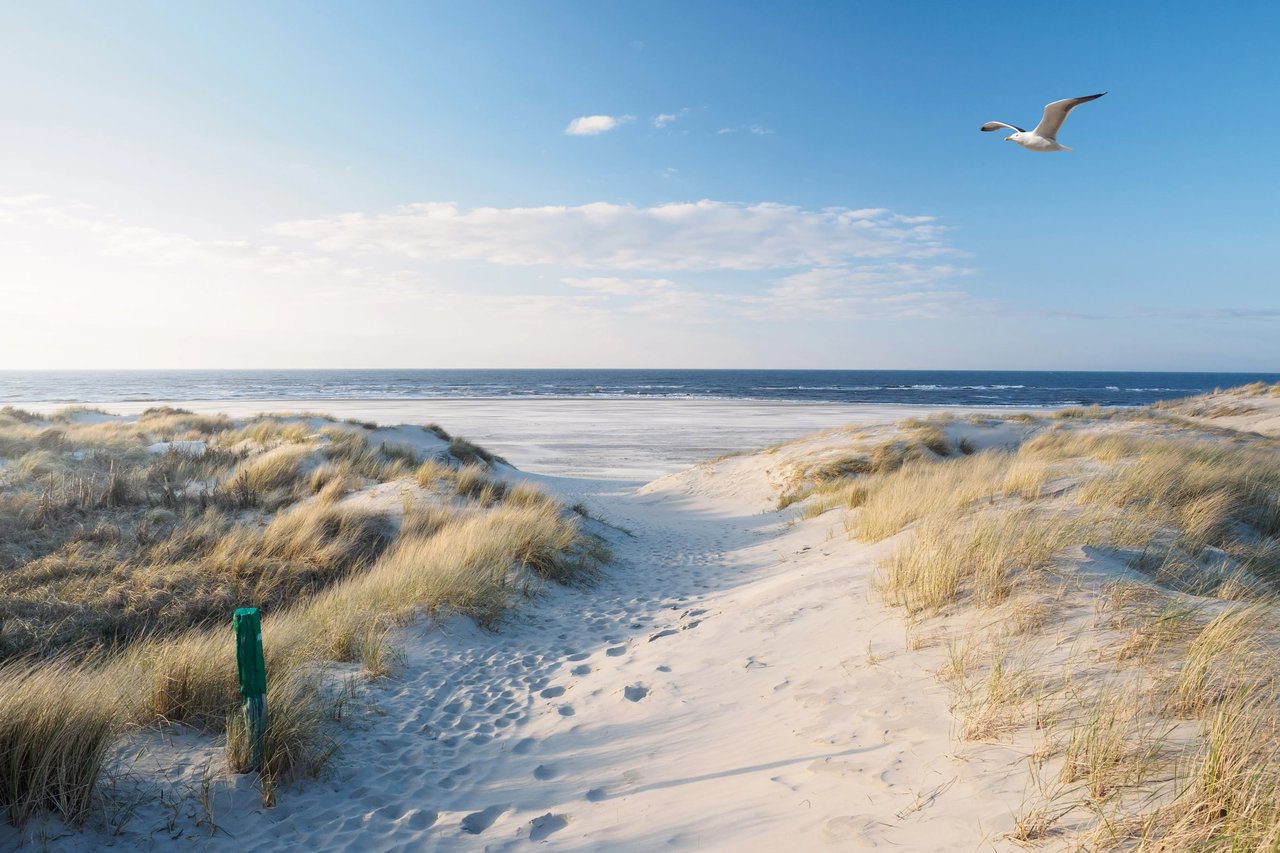
One of the joys of living in KDH is how easy it is to step outside and reset. Ocean beaches and soundside access points are part of weekly life, whether for sunrise walks, surf sessions, or shelling after a storm. If you plan to drive on the beach, read up on seasonal permits, hours, and speed limits before you go KDH beach driving rules.
You’ll also be close to year-round landmarks. The Wright Brothers National Memorial sits on a hill in town and anchors community pride with accessible walking paths and wide views over the barrier islands Wright Brothers National Memorial. Nearby Jockey’s Ridge State Park offers towering dunes for kite flying, hiking, and golden-hour sunsets. Together, these spots shape weekend routines that feel simple and restorative.
Housing: What to Expect
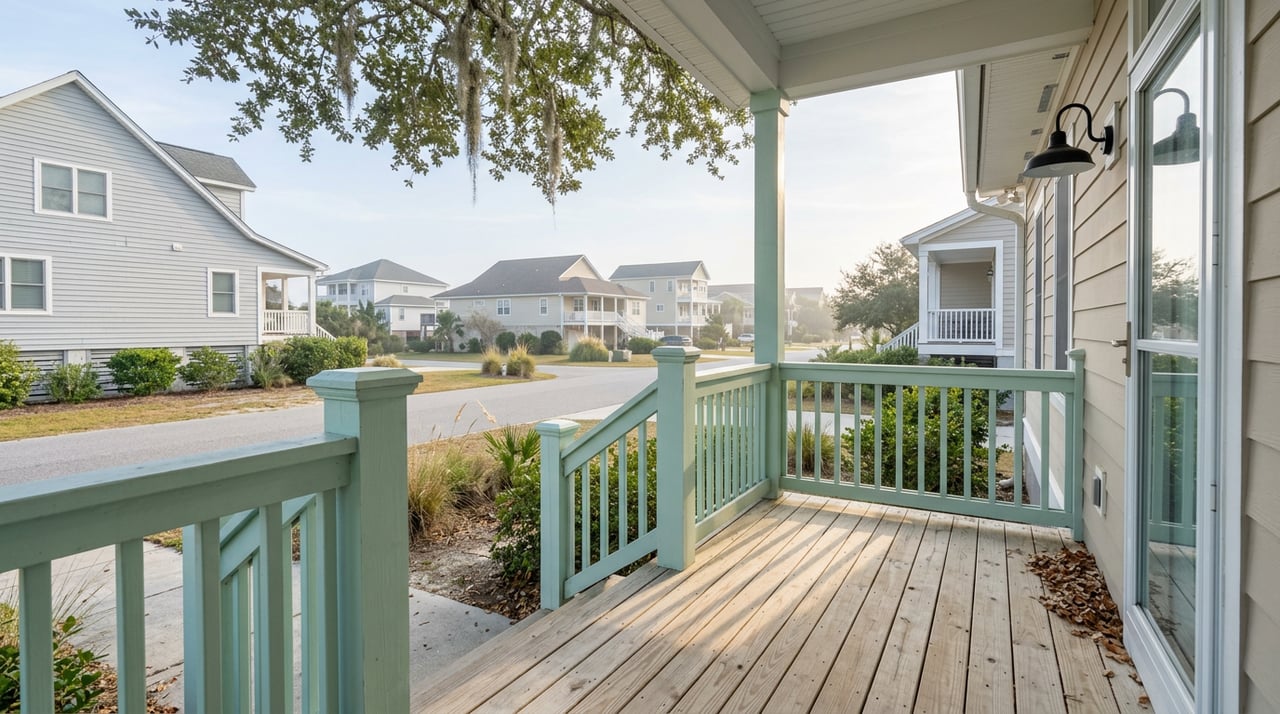
KDH mixes single-family neighborhoods, older beach cottages, newer builds, and a meaningful share of short-term rental properties. As you explore options, weigh your daily needs: proximity to the beach or the sound, yard size, storage for boards and boats, and how you’ll use outdoor spaces across the seasons. Median household income, property values, and commute patterns are published by reputable data sources and offer a helpful snapshot as you compare costs with other coastal towns DataUSA profile.
For ownership, factor in coastal maintenance. Salt air, wind, and sun mean more frequent exterior care, plus routine checks of roofs, decks, windows, and crawlspaces. Flood zone and elevation should be part of your due diligence. Many residents also follow town updates on beach nourishment and permitting to stay ahead of long-term property planning Town resources.
Utilities, Connectivity, and Services
Town services such as trash collection, permitting, and public safety run year-round. Internet options can vary street by street, so confirm available providers for specific addresses before you write an offer. Package delivery is standard, and seasonal landscaping or dock services are common for homes near canals or the sound. In high season, book services early to secure your preferred time.
A Week in the Life
Here’s a simple snapshot of how many year-round residents structure their days:
- Monday–Thursday: Early errands on US‑158, kids’ activities in the afternoon, and an evening walk on the Beach Road to unwind.
- Friday: Prep for weekend visitors on the islands; dinner out early to skip peak waits.
- Saturday: Morning surf or beach walk, midday projects at home, and sunset at a soundside park.
- Sunday: Coffee and a quiet drive by the Wright Brothers Memorial, or a dune hike at Jockey’s Ridge.
Is Year-Round KDH Right for You?
If you want relaxed coastal living with true four-season access to the beach, KDH delivers. You’ll trade some summer traffic and storm prep for mild winters, strong town services, and a community that feels like a small town with big natural amenities. With clear expectations and a local guide, you can find a home that balances convenience, enjoyment, and long-term stewardship.
Ready to explore neighborhoods, compare property types, and map the tradeoffs that matter to you? Reach out to our boutique, locally focused team for a tailored plan. Connect with Elizabeth Cloninger to schedule a conversation and a guided tour of Kill Devil Hills.
FAQs
What is the population of Kill Devil Hills?
- The 2020 Census counted 7,656 residents, reflecting a small coastal town that serves year-round locals and a strong seasonal visitor population.
How does hurricane season affect daily life in KDH?
- Residents track official forecasts, keep a simple supply kit, and review evacuation routes each year; planning is routine and helps you enjoy the rest of the season with confidence.
Are beaches and lifeguards available year-round?
- Beach accesses are open year-round; lifeguard coverage expands in summer and varies by location and date, so check current town ocean-rescue updates before you swim.
What schools serve families living in KDH?
- Dare County Schools oversees attendance zones; the First Flight elementary, middle, and high schools serve the local area, and you should confirm boundaries directly with the district.
How far are healthcare services from KDH homes?
- The Outer Banks Hospital is next door in Nags Head, with urgent care and primary-care offices across the central Outer Banks for everyday needs.
Do I need a car to live in Kill Devil Hills year-round?
- Yes, the area is car-dependent; most residents drive to work and errands, with mainland access via the Wright Memorial Bridge and US‑64 for larger trips.
Can I drive on the beach in Kill Devil Hills?
- Beach driving is allowed seasonally with a permit; rules, hours, fees, and speed limits are set by the town, so review the latest guidelines before heading out.