
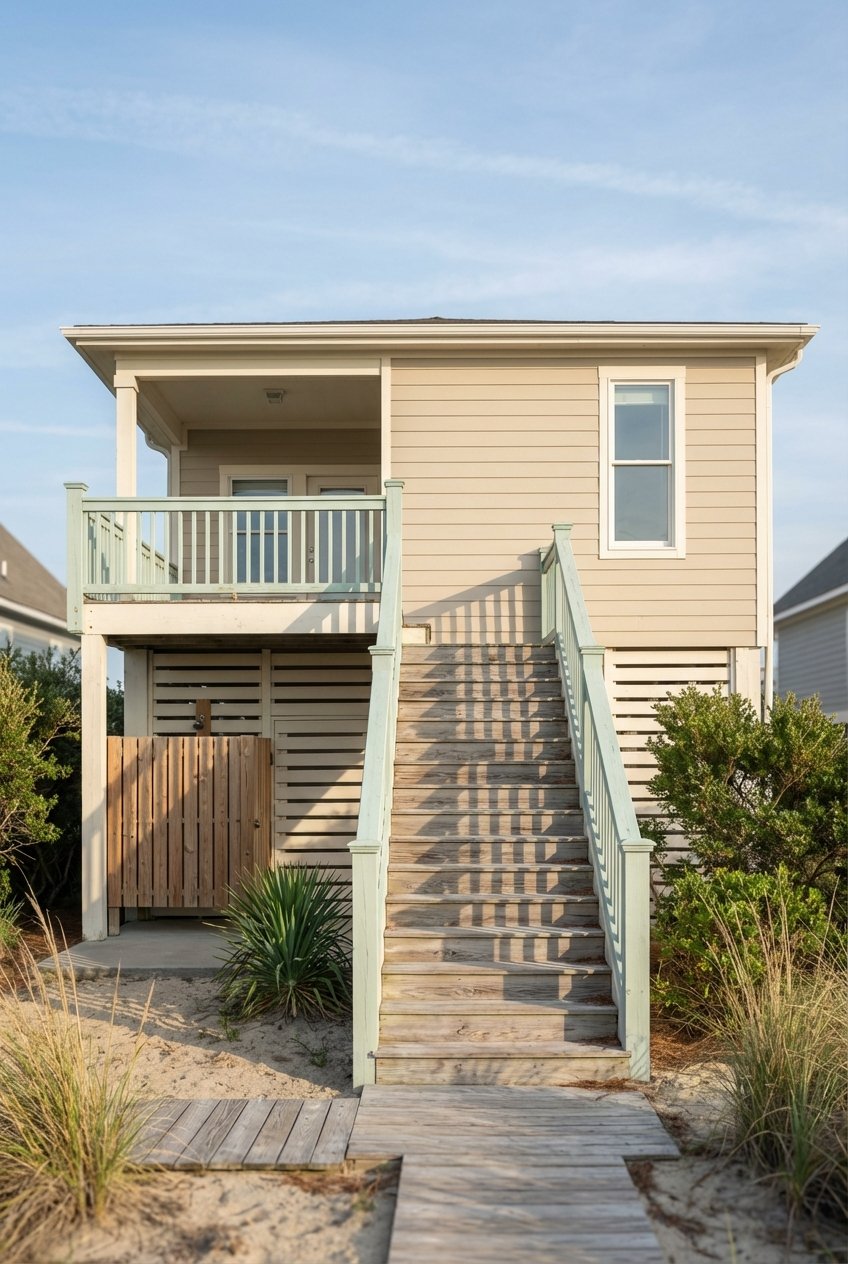
Thinking about selling your Nags Head rental but not sure when to put it on the market? You are not alone. As a vacation rental owner, you are balancing peak-season income with buyer access, inspections, and a smooth closing. In this guide, you will get a clear, season-by-season plan, the local rules you must account for, and a simple checklist to help you prepare. Let’s dive in.
Why timing your listing matters
Nags Head follows classic Outer Banks seasonality. Visitor demand and average daily rates climb in June through August, with the week of July 4 often the single highest revenue week of the year. That is why your top summer weeks usually drive a big share of your annual results. You want to protect that income, but keeping those dates also limits buyer access in prime months. Local STR analytics confirm this summer peak.
The region has strong shoulder seasons too. Late May, September, and early October see solid activity from both guests and buyers, while November through March is the quieter off season. If you list when guest traffic is lower, you gain easier showing logistics and contractor access for repairs. You can see how the year typically flows in this Outer Banks vacation planning overview.
Another factor is lead time. Prime summer weeks often book months in advance, and many homes use weekly minimums in summer, commonly Saturday to Saturday. That pattern makes midweek showings tough unless you plan around turnovers or hold specific dates. These realities shape your best windows to list.
Best listing windows in Nags Head
Spring: April to early June
If your top goal is buyer traffic and price, spring is your most compelling window. Many vacation-home shoppers start planning in spring, and local buyer activity often ramps up during this time. You can track trends through the Outer Banks Association of REALTORS market data.
Pros:
- Strong buyer visibility as summer trips are planned.
- Momentum builds ahead of peak guest arrivals.
Cons:
- You may need to limit or reschedule some summer bookings.
- Showings can be harder once June guests arrive.
Tip: Prep in March, list by mid-April so your home appears in spring searches.
Late summer to early fall: Late August through October
If you want to protect summer income first, list as peak weeks wind down. This keeps your highest-earning dates intact, reduces guest conflicts, and puts you in front of buyers who just visited and remain active.
Pros:
- You capture top summer revenue before listing.
- Calendars are easier to clear for showings and closing.
Cons:
- Buyer volume is usually lower than spring.
- Storm season risk is still present in September.
Tip: Hold July and early August, then list September 1 to market through September and October.
Off season: November through February
If your priority is smooth logistics and fast prep, the off season is ideal. With fewer guest stays, you can handle paint, repairs, and staging without constant workarounds. Many managers also prefer winter for major maintenance.
Pros:
- Easier access for agents, inspectors, and contractors.
- More flexibility to perfect your presentation.
Cons:
- Fewer active vacation-home buyers.
- Seasonal expectations may be more conservative on price.
Tip: Use November and December to complete projects, then list in January or early February to get in front of early planners.
Booking calendars and showings
Selling a short-term rental usually comes down to three choices:
- List now and honor existing reservations. You preserve income but must coordinate showings between stays. High-quality photography, floor plans, and virtual tours become essential.
- Cancel select bookings to create access. This can improve market exposure but requires careful handling of guest refunds and communications.
- Time your listing after the peak calendar. You keep your strongest weeks, then market with fewer conflicts.
In North Carolina, the Vacation Rental Act governs written agreements, handling of advance payments, and many obligations tied to bookings. If bookings or deposits need to transfer to a buyer, document them clearly so everyone understands what is included in the sale.
Best practices for showings when guests are in place:
- Set fixed weekly showing windows around turnovers.
- Give reasonable notice and clear, respectful instructions.
- Use compelling media to minimize in-person visits.
Local rules you must factor in
Nags Head has specific requirements for short-term rentals. Before listing, make sure your compliance is current and documented.
- Registration: The Town of Nags Head requires annual short-term rental registration with a local contact and certain safety disclosures. Civil penalties can apply for noncompliance. Review details on the town’s short-term rental registration page.
- Occupancy tax: Dare County collects an occupancy tax on short-term stays, currently 6% of gross receipts in many cases. Be ready to show filing history and remittances. Learn more from the county’s occupancy tax information.
- Vacation Rental Act: North Carolina’s Vacation Rental Act sets rules for agreements and advance payments. Sellers and buyers must account for obligations tied to future reservations.
Having clean records in these areas builds buyer confidence and can speed underwriting.
Hurricane season and insurance
Atlantic hurricane season runs June 1 through November 30, with activity often peaking in mid-August through September. Weather can delay inspections, appraisals, and closings. If your target window overlaps this period, include clear contingency language and schedule flexibility. For a refresher on the seasonal pattern, see NOAA’s hurricane season guidance.
Insurance is another factor. Coastal insurance costs and deductibles have been in flux, and recent discussions have signaled sizable proposed rate increases for dwelling policies covering beach areas. Local officials have called for close scrutiny. Stay ahead by obtaining updated quotes and documenting coverage limits and deductibles. For context on rate proposals, review this Outer Banks news coverage.
What buyers want to see
Investor-minded buyers and lenders underwrite income. That means they look for clear, timely, and complete documents. Prepare these before you list:
- Rent roll with guest names, dates, and amounts.
- Reservation and payout exports from your platform or manager.
- A 12-month trailing P&L or operating statement.
- An occupancy and rate calendar for the past 12 to 24 months.
- Cleaning, linen, and maintenance contracts.
- Occupancy tax filings and recent tax returns.
Lenders often require a T-12 and supporting income evidence even for 1 to 4 unit properties. See what underwriters expect in this overview of rent rolls and T-12 documentation.
For marketing, provide more than a single annual gross. Month-by-month ADR and occupancy help buyer modeling, since Nags Head performance varies by season. Aggregated snapshots from services like AirROI can support a clear picture of seasonal RevPAR trends.
Simple decision framework
Pick your primary objective, then follow the matching window.
- Objective A: Maximize buyer traffic and price. List in spring, ideally mid-April through early June. Plan carefully for any summer access you will need.
- Objective B: Protect peak rental income, then sell. List after peak season, late August through October, to capture top summer revenue before you market.
- Objective C: Minimize friction and finish repairs fast. List in the off season, November through February, when you can schedule showings and work with minimal conflict.
Timing examples:
- Conservative approach: Hold June through mid-August. List September 1, market through September and October, and aim to close in late fall.
- Exposure-first approach: Prep in March. List in mid-April to catch spring searches and be visible before late-spring competition.
Mini case study: Protect revenue, then list
A Nags Head owner had a strong calendar with July and early August fully booked by January. Their priority was to keep peak income, but they also wanted a fall closing. They kept June through mid-August, refreshed photos in August, and went live on September 1 with a complete T-12 and booking ledger. Showings were easy between lighter fall stays, and the home went under contract in October with a November close. The result was a clean transfer and a full summer season captured before the sale.
Quick seller checklist
Use this to get listing-ready in one organized pass:
Compliance and taxes
- Nags Head STR registration confirmation and local contact details
- Occupancy tax filings and proof of remittance
- Insurance summary, including wind, flood, and deductibles
Income and operations
- Rent roll, reservation exports, and payout statements
- T-12 P&L, plus month-by-month ADR and occupancy
- Service contracts for cleaning, linen, pool, and maintenance
Calendar and communications
- List of reservations to keep, cancel, or transfer to buyer
- Planned showing windows and guest notice process
- Guest communication templates for showings and any changes
Marketing readiness
- Professional photography and floor plan
- Highlight sheet with amenities, recent upgrades, and utility info
- Summary of hurricane procedures and any evacuation rules
When you are ready, align your timeline with your objective and choose the window that fits your goals and your calendar.
If you want help mapping your plan to the market, we are here to guide you through timing, documents, and a smooth closing. Let’s tailor your strategy to your goals and your calendar. Connect with Elizabeth Cloninger to get started.
FAQs
What months have the most guest demand in Nags Head?
- Summer, especially June through August, with the July 4 week often the strongest.
Is spring really the best time to list for maximum exposure?
- Spring often brings more buyer traffic in the Outer Banks, and listing by mid-April positions you ahead of peak summer visits.
How are existing bookings handled when selling a North Carolina vacation rental?
- Future reservations and advance payments are governed by the North Carolina Vacation Rental Act, so document them clearly and agree on transfers with the buyer.
Should I avoid closing during hurricane season on the Outer Banks?
- If possible, yes, since June through November can bring weather delays; if you must close then, build in contingencies and schedule flexibility.
What documents do buyers and lenders expect for a Nags Head rental sale?
- A rent roll, reservation and payout exports, a T-12 P&L, occupancy tax filings, service contracts, and month-by-month ADR and occupancy summaries.